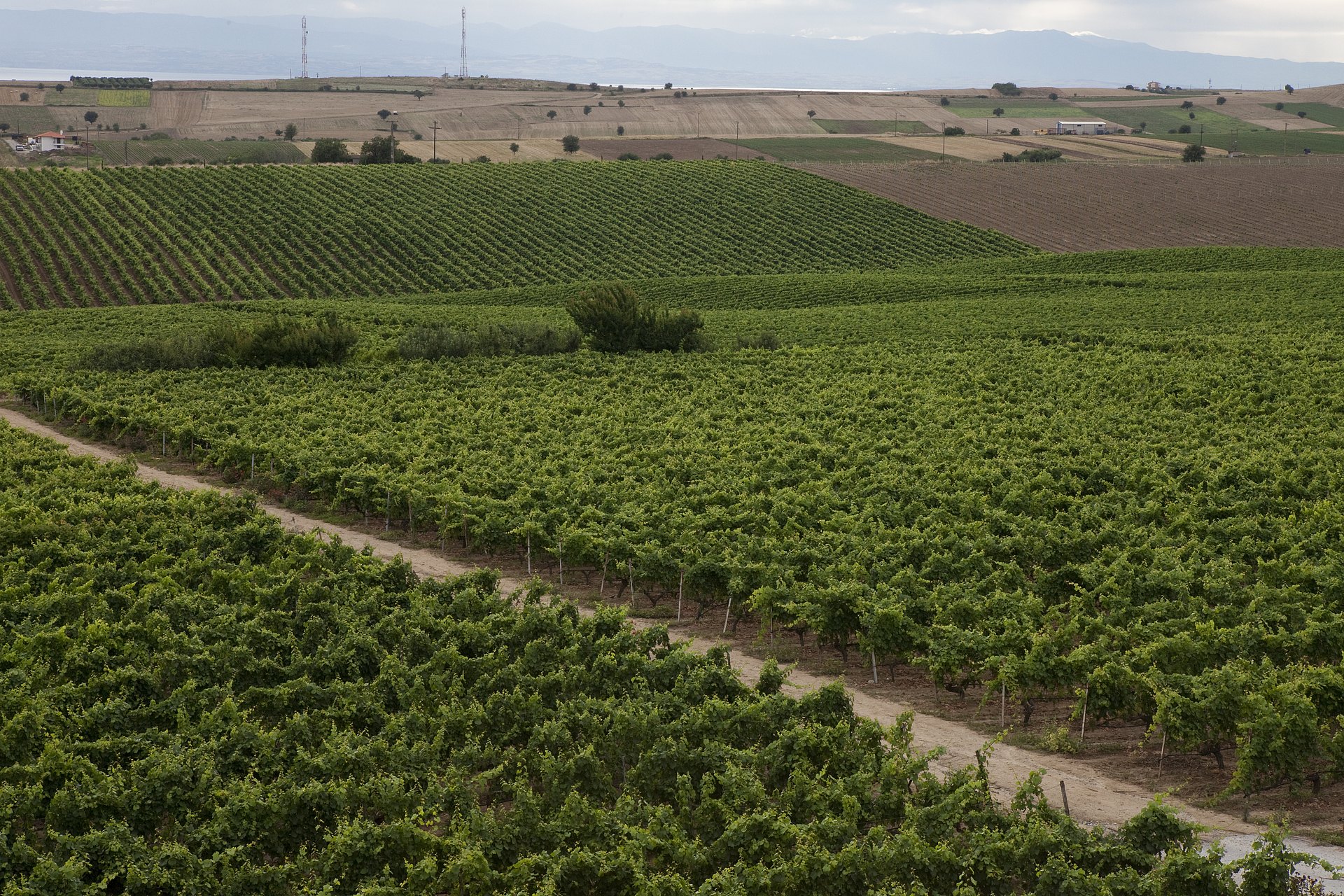
For some time now, the homeland of wine-god Dionysus has been one of the most exciting hot spots on the international scene.
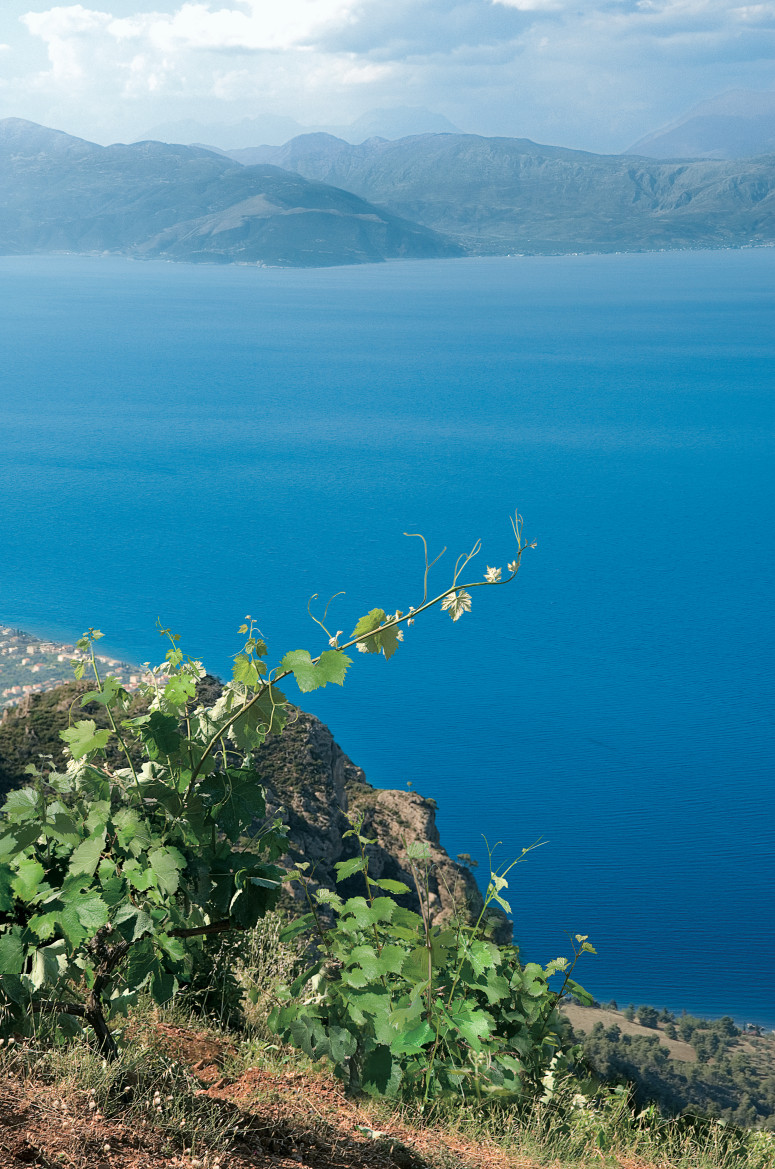
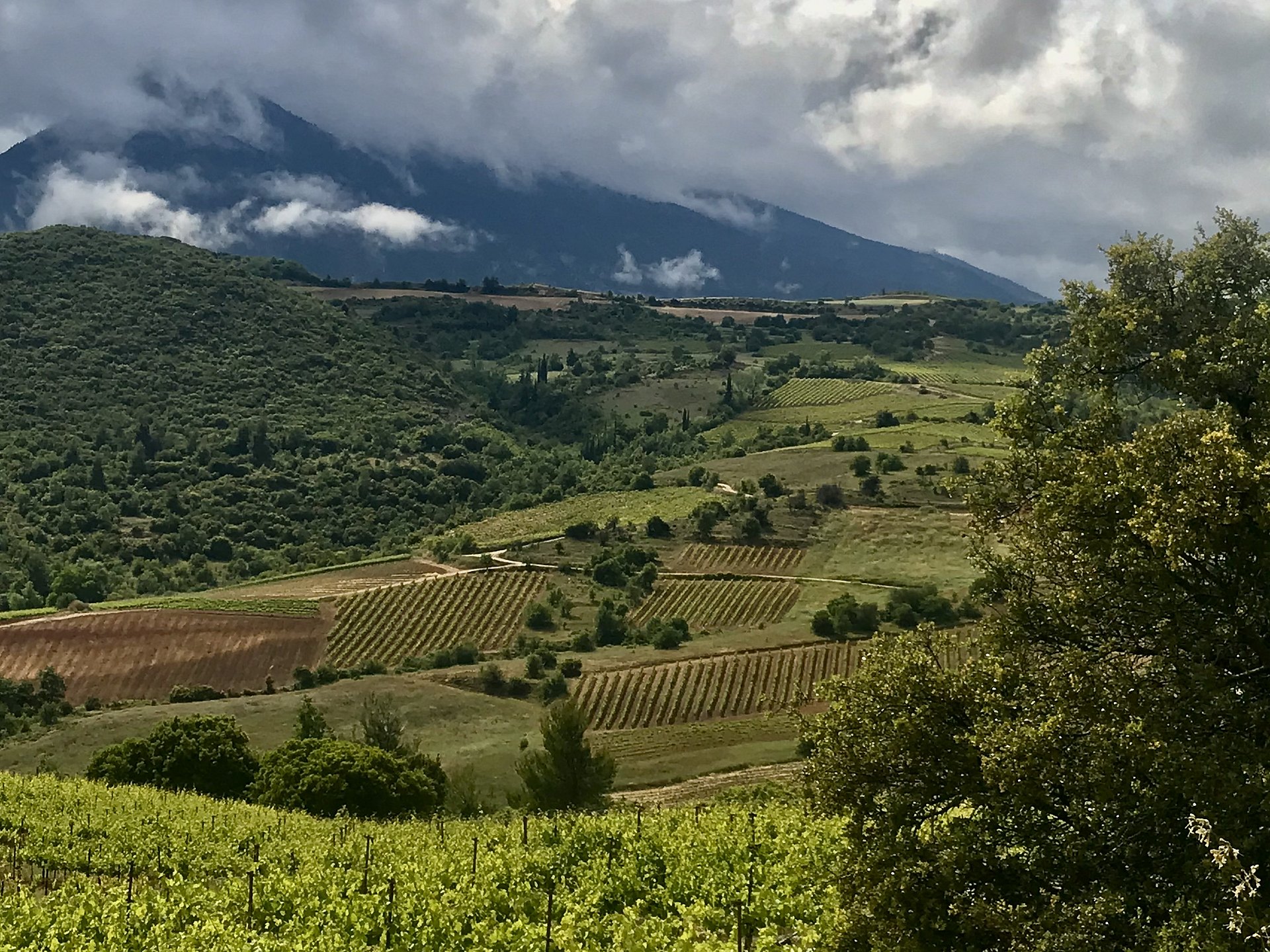
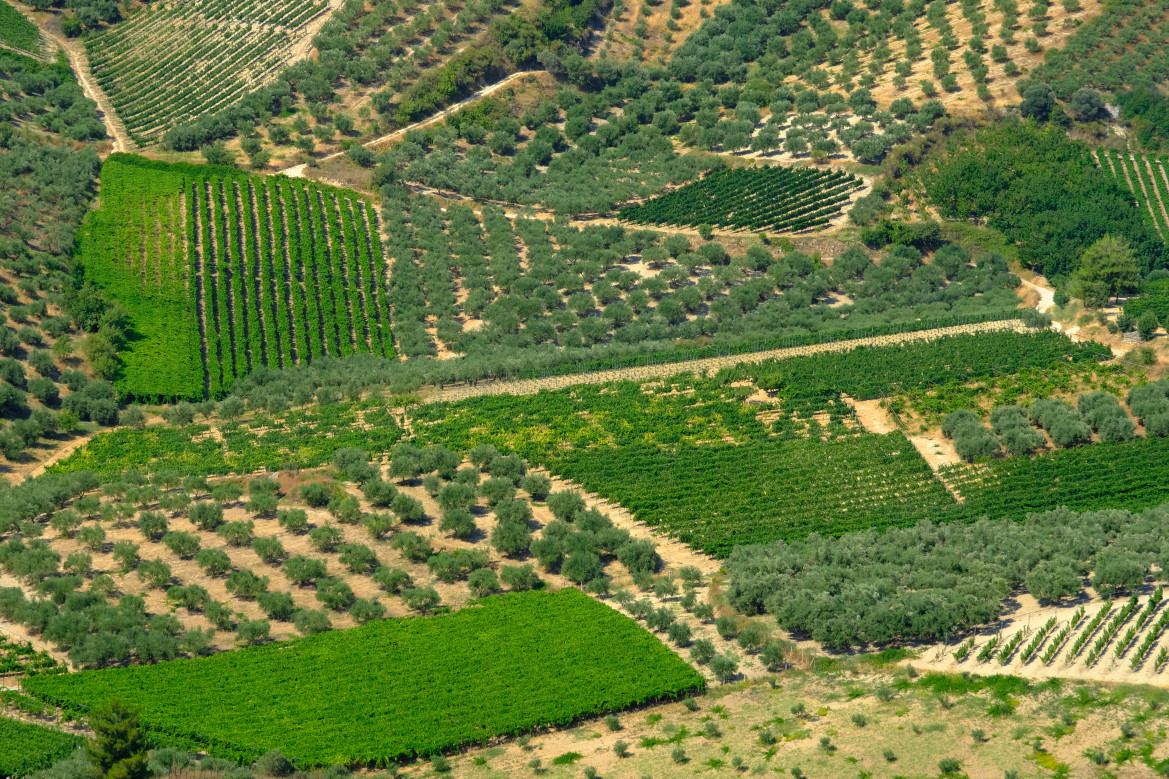
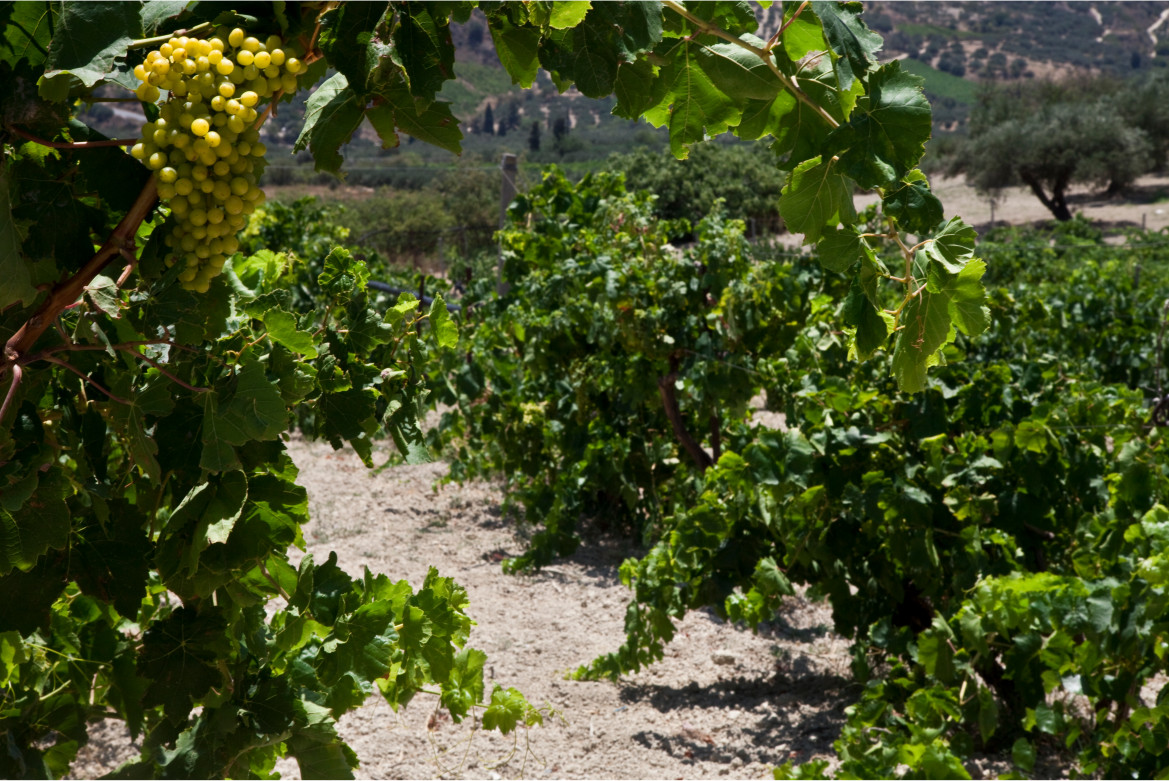
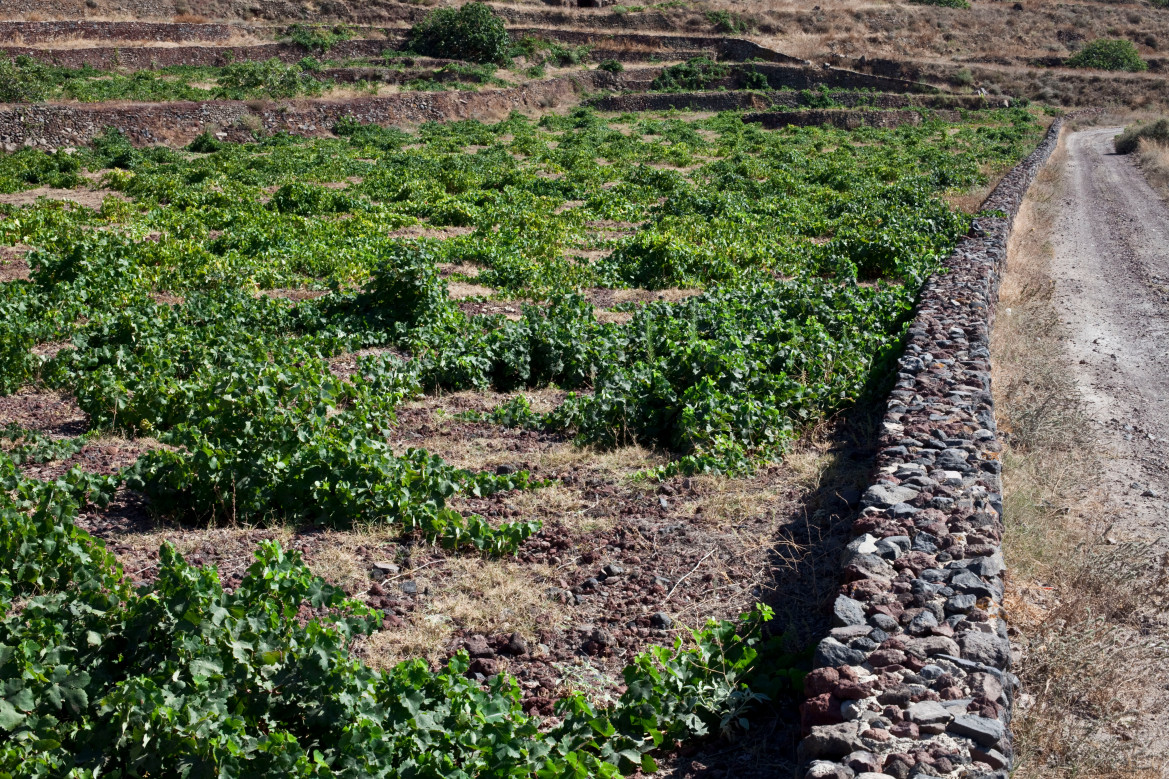
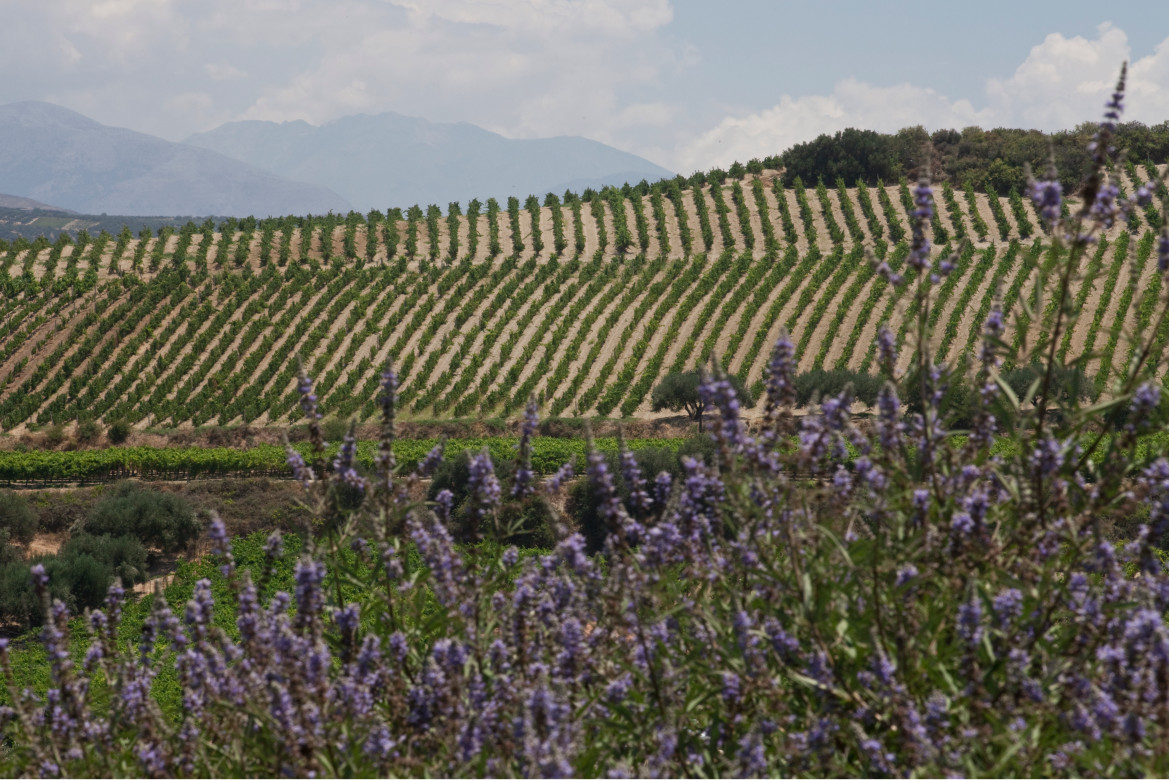
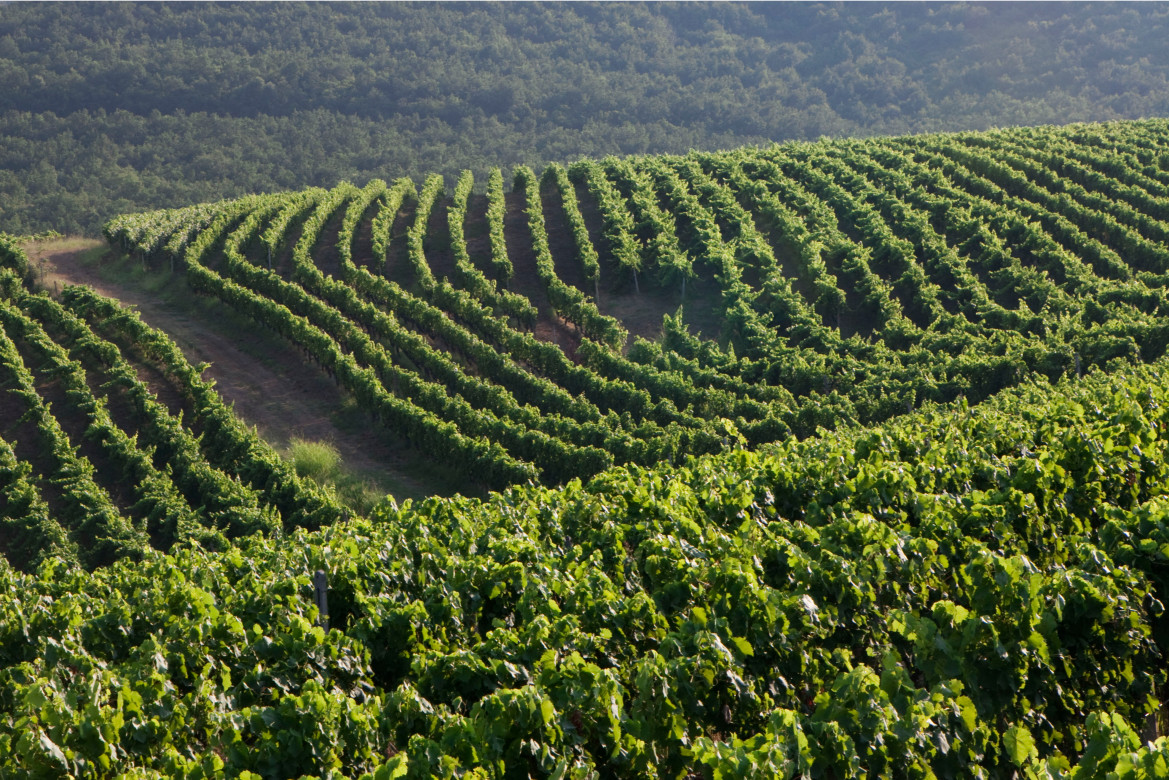
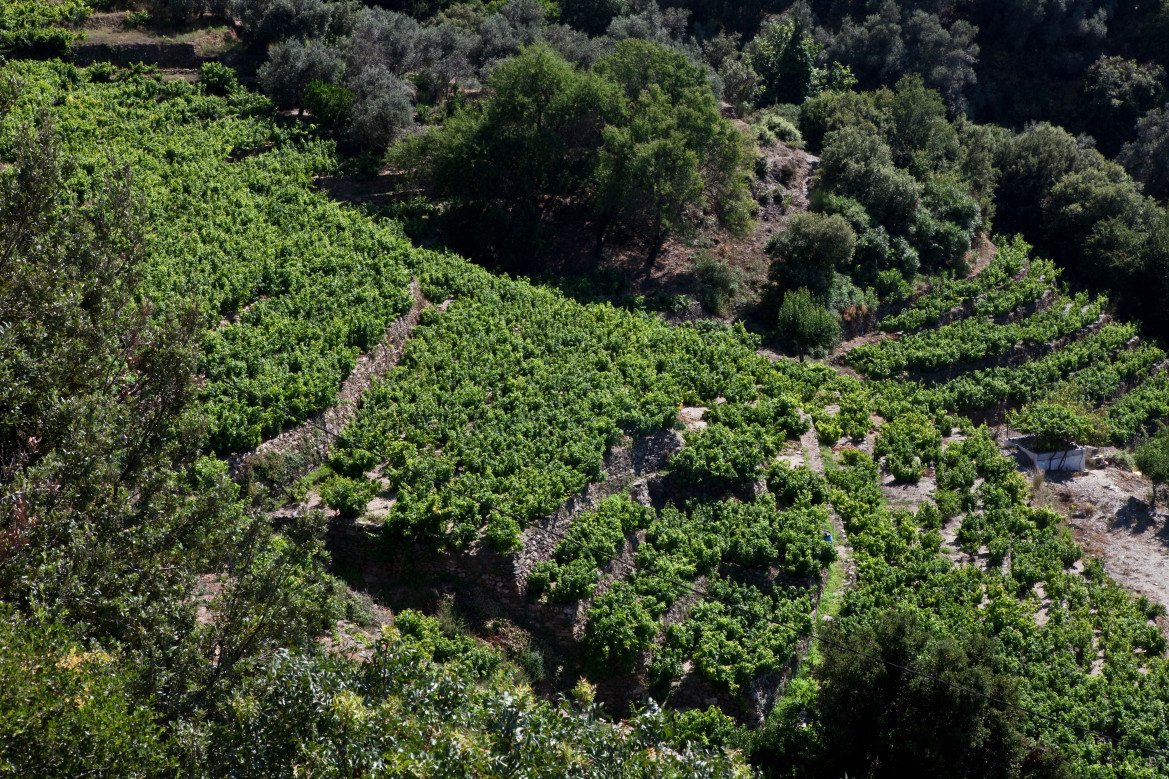
Greece’s mild Mediterranean climate and diverse topography have been providing the perfect environment for the production of high quality wines for several millennia. Greece has a dramatic and varied landscape with mountain ranges that traverse the countryside from north to south and one of the longest coastlines. Greece is virtually surrounded by water and most of the vineyards enjoy the positive, moderating influence of being in close proximity to the sea. Most of Greece’s vineyards are found on the slopes of mountains or on remote islands with the size of a typical vineyard being less than one hectare. Greece’s diverse topography also means that a wide range of soil types are present across the country, including sand, clay, limestone as well as the volcanic soils found on the islands.
A representative selection of some of Greece’s top wine estates are waiting to be discovered in the Rittersaal, and an in-depth look into the nature of these wines will be offered at the masterclass in the School of Wine.